
/** * HTTP API: WP_Http_Curl class * * @package WordPress * @subpackage HTTP * @since 4.4.0 */ /** * Core class used to integrate Curl as an HTTP transport. * * HTTP request method uses Curl extension to retrieve the url. * * Requires the Curl extension to be installed. * * @since 2.7.0 * @deprecated 6.4.0 Use WP_Http * @see WP_Http */ #[AllowDynamicProperties] class WP_Http_Curl { /** * Temporary header storage for during requests. * * @since 3.2.0 * @var string */ private $headers = ''; /** * Temporary body storage for during requests. * * @since 3.6.0 * @var string */ private $body = ''; /** * The maximum amount of data to receive from the remote server. * * @since 3.6.0 * @var int|false */ private $max_body_length = false; /** * The file resource used for streaming to file. * * @since 3.6.0 * @var resource|false */ private $stream_handle = false; /** * The total bytes written in the current request. * * @since 4.1.0 * @var int */ private $bytes_written_total = 0; /** * Send a HTTP request to a URI using cURL extension. * * @since 2.7.0 * * @param string $url The request URL. * @param string|array $args Optional. Override the defaults. * @return array|WP_Error Array containing 'headers', 'body', 'response', 'cookies', 'filename'. A WP_Error instance upon error */ public function request( $url, $args = array() ) { $defaults = array( 'method' => 'GET', 'timeout' => 5, 'redirection' => 5, 'httpversion' => '1.0', 'blocking' => true, 'headers' => array(), 'body' => null, 'cookies' => array(), 'decompress' => false, 'stream' => false, 'filename' => null, ); $parsed_args = wp_parse_args( $args, $defaults ); if ( isset( $parsed_args['headers']['User-Agent'] ) ) { $parsed_args['user-agent'] = $parsed_args['headers']['User-Agent']; unset( $parsed_args['headers']['User-Agent'] ); } elseif ( isset( $parsed_args['headers']['user-agent'] ) ) { $parsed_args['user-agent'] = $parsed_args['headers']['user-agent']; unset( $parsed_args['headers']['user-agent'] ); } // Construct Cookie: header if any cookies are set. WP_Http::buildCookieHeader( $parsed_args ); $handle = curl_init(); // cURL offers really easy proxy support. $proxy = new WP_HTTP_Proxy(); if ( $proxy->is_enabled() && $proxy->send_through_proxy( $url ) ) { curl_setopt( $handle, CURLOPT_PROXYTYPE, CURLPROXY_HTTP ); curl_setopt( $handle, CURLOPT_PROXY, $proxy->host() ); curl_setopt( $handle, CURLOPT_PROXYPORT, $proxy->port() ); if ( $proxy->use_authentication() ) { curl_setopt( $handle, CURLOPT_PROXYAUTH, CURLAUTH_ANY ); curl_setopt( $handle, CURLOPT_PROXYUSERPWD, $proxy->authentication() ); } } $is_local = isset( $parsed_args['local'] ) && $parsed_args['local']; $ssl_verify = isset( $parsed_args['sslverify'] ) && $parsed_args['sslverify']; if ( $is_local ) { /** This filter is documented in wp-includes/class-wp-http-streams.php */ $ssl_verify = apply_filters( 'https_local_ssl_verify', $ssl_verify, $url ); } elseif ( ! $is_local ) { /** This filter is documented in wp-includes/class-wp-http.php */ $ssl_verify = apply_filters( 'https_ssl_verify', $ssl_verify, $url ); } /* * CURLOPT_TIMEOUT and CURLOPT_CONNECTTIMEOUT expect integers. Have to use ceil since. * a value of 0 will allow an unlimited timeout. */ $timeout = (int) ceil( $parsed_args['timeout'] ); curl_setopt( $handle, CURLOPT_CONNECTTIMEOUT, $timeout ); curl_setopt( $handle, CURLOPT_TIMEOUT, $timeout ); curl_setopt( $handle, CURLOPT_URL, $url ); curl_setopt( $handle, CURLOPT_RETURNTRANSFER, true ); curl_setopt( $handle, CURLOPT_SSL_VERIFYHOST, ( true === $ssl_verify ) ? 2 : false ); curl_setopt( $handle, CURLOPT_SSL_VERIFYPEER, $ssl_verify ); if ( $ssl_verify ) { curl_setopt( $handle, CURLOPT_CAINFO, $parsed_args['sslcertificates'] ); } curl_setopt( $handle, CURLOPT_USERAGENT, $parsed_args['user-agent'] ); /* * The option doesn't work with safe mode or when open_basedir is set, and there's * a bug #17490 with redirected POST requests, so handle redirections outside Curl. */ curl_setopt( $handle, CURLOPT_FOLLOWLOCATION, false ); curl_setopt( $handle, CURLOPT_PROTOCOLS, CURLPROTO_HTTP | CURLPROTO_HTTPS ); switch ( $parsed_args['method'] ) { case 'HEAD': curl_setopt( $handle, CURLOPT_NOBODY, true ); break; case 'POST': curl_setopt( $handle, CURLOPT_POST, true ); curl_setopt( $handle, CURLOPT_POSTFIELDS, $parsed_args['body'] ); break; case 'PUT': curl_setopt( $handle, CURLOPT_CUSTOMREQUEST, 'PUT' ); curl_setopt( $handle, CURLOPT_POSTFIELDS, $parsed_args['body'] ); break; default: curl_setopt( $handle, CURLOPT_CUSTOMREQUEST, $parsed_args['method'] ); if ( ! is_null( $parsed_args['body'] ) ) { curl_setopt( $handle, CURLOPT_POSTFIELDS, $parsed_args['body'] ); } break; } if ( true === $parsed_args['blocking'] ) { curl_setopt( $handle, CURLOPT_HEADERFUNCTION, array( $this, 'stream_headers' ) ); curl_setopt( $handle, CURLOPT_WRITEFUNCTION, array( $this, 'stream_body' ) ); } curl_setopt( $handle, CURLOPT_HEADER, false ); if ( isset( $parsed_args['limit_response_size'] ) ) { $this->max_body_length = (int) $parsed_args['limit_response_size']; } else { $this->max_body_length = false; } // If streaming to a file open a file handle, and setup our curl streaming handler. if ( $parsed_args['stream'] ) { if ( ! WP_DEBUG ) { $this->stream_handle = @fopen( $parsed_args['filename'], 'w+' ); } else { $this->stream_handle = fopen( $parsed_args['filename'], 'w+' ); } if ( ! $this->stream_handle ) { return new WP_Error( 'http_request_failed', sprintf( /* translators: 1: fopen(), 2: File name. */ __( 'Could not open handle for %1$s to %2$s.' ), 'fopen()', $parsed_args['filename'] ) ); } } else { $this->stream_handle = false; } if ( ! empty( $parsed_args['headers'] ) ) { // cURL expects full header strings in each element. $headers = array(); foreach ( $parsed_args['headers'] as $name => $value ) { $headers[] = "{$name}: $value"; } curl_setopt( $handle, CURLOPT_HTTPHEADER, $headers ); } if ( '1.0' === $parsed_args['httpversion'] ) { curl_setopt( $handle, CURLOPT_HTTP_VERSION, CURL_HTTP_VERSION_1_0 ); } else { curl_setopt( $handle, CURLOPT_HTTP_VERSION, CURL_HTTP_VERSION_1_1 ); } /** * Fires before the cURL request is executed. * * Cookies are not currently handled by the HTTP API. This action allows * plugins to handle cookies themselves. * * @since 2.8.0 * * @param resource $handle The cURL handle returned by curl_init() (passed by reference). * @param array $parsed_args The HTTP request arguments. * @param string $url The request URL. */ do_action_ref_array( 'http_api_curl', array( &$handle, $parsed_args, $url ) ); // We don't need to return the body, so don't. Just execute request and return. if ( ! $parsed_args['blocking'] ) { curl_exec( $handle ); $curl_error = curl_error( $handle ); if ( $curl_error ) { if ( PHP_VERSION_ID < 80000 ) { // curl_close() has no effect as of PHP 8.0. curl_close( $handle ); } return new WP_Error( 'http_request_failed', $curl_error ); } if ( in_array( curl_getinfo( $handle, CURLINFO_HTTP_CODE ), array( 301, 302 ), true ) ) { if ( PHP_VERSION_ID < 80000 ) { // curl_close() has no effect as of PHP 8.0. curl_close( $handle ); } return new WP_Error( 'http_request_failed', __( 'Too many redirects.' ) ); } if ( PHP_VERSION_ID < 80000 ) { // curl_close() has no effect as of PHP 8.0. curl_close( $handle ); } return array( 'headers' => array(), 'body' => '', 'response' => array( 'code' => false, 'message' => false, ), 'cookies' => array(), ); } curl_exec( $handle ); $processed_headers = WP_Http::processHeaders( $this->headers, $url ); $body = $this->body; $bytes_written_total = $this->bytes_written_total; $this->headers = ''; $this->body = ''; $this->bytes_written_total = 0; $curl_error = curl_errno( $handle ); // If an error occurred, or, no response. if ( $curl_error || ( 0 === strlen( $body ) && empty( $processed_headers['headers'] ) ) ) { if ( CURLE_WRITE_ERROR /* 23 */ === $curl_error ) { if ( ! $this->max_body_length || $this->max_body_length !== $bytes_written_total ) { if ( $parsed_args['stream'] ) { if ( PHP_VERSION_ID < 80000 ) { // curl_close() has no effect as of PHP 8.0. curl_close( $handle ); } fclose( $this->stream_handle ); return new WP_Error( 'http_request_failed', __( 'Failed to write request to temporary file.' ) ); } else { if ( PHP_VERSION_ID < 80000 ) { // curl_close() has no effect as of PHP 8.0. curl_close( $handle ); } return new WP_Error( 'http_request_failed', curl_error( $handle ) ); } } } else { $curl_error = curl_error( $handle ); if ( $curl_error ) { if ( PHP_VERSION_ID < 80000 ) { // curl_close() has no effect as of PHP 8.0. curl_close( $handle ); } return new WP_Error( 'http_request_failed', $curl_error ); } } if ( in_array( curl_getinfo( $handle, CURLINFO_HTTP_CODE ), array( 301, 302 ), true ) ) { if ( PHP_VERSION_ID < 80000 ) { // curl_close() has no effect as of PHP 8.0. curl_close( $handle ); } return new WP_Error( 'http_request_failed', __( 'Too many redirects.' ) ); } } if ( PHP_VERSION_ID < 80000 ) { // curl_close() has no effect as of PHP 8.0. curl_close( $handle ); } if ( $parsed_args['stream'] ) { fclose( $this->stream_handle ); } $response = array( 'headers' => $processed_headers['headers'], 'body' => null, 'response' => $processed_headers['response'], 'cookies' => $processed_headers['cookies'], 'filename' => $parsed_args['filename'], ); // Handle redirects. $redirect_response = WP_Http::handle_redirects( $url, $parsed_args, $response ); if ( false !== $redirect_response ) { return $redirect_response; } if ( true === $parsed_args['decompress'] && true === WP_Http_Encoding::should_decode( $processed_headers['headers'] ) ) { $body = WP_Http_Encoding::decompress( $body ); } $response['body'] = $body; return $response; } /** * Grabs the headers of the cURL request. * * Each header is sent individually to this callback, and is appended to the `$header` property * for temporary storage. * * @since 3.2.0 * * @param resource $handle cURL handle. * @param string $headers cURL request headers. * @return int Length of the request headers. */ private function stream_headers( $handle, $headers ) { $this->headers .= $headers; return strlen( $headers ); } /** * Grabs the body of the cURL request. * * The contents of the document are passed in chunks, and are appended to the `$body` * property for temporary storage. Returning a length shorter than the length of * `$data` passed in will cause cURL to abort the request with `CURLE_WRITE_ERROR`. * * @since 3.6.0 * * @param resource $handle cURL handle. * @param string $data cURL request body. * @return int Total bytes of data written. */ private function stream_body( $handle, $data ) { $data_length = strlen( $data ); if ( $this->max_body_length && ( $this->bytes_written_total + $data_length ) > $this->max_body_length ) { $data_length = ( $this->max_body_length - $this->bytes_written_total ); $data = substr( $data, 0, $data_length ); } if ( $this->stream_handle ) { $bytes_written = fwrite( $this->stream_handle, $data ); } else { $this->body .= $data; $bytes_written = $data_length; } $this->bytes_written_total += $bytes_written; // Upon event of this function returning less than strlen( $data ) curl will error with CURLE_WRITE_ERROR. return $bytes_written; } /** * Determines whether this class can be used for retrieving a URL. * * @since 2.7.0 * * @param array $args Optional. Array of request arguments. Default empty array. * @return bool False means this class can not be used, true means it can. */ public static function test( $args = array() ) { if ( ! function_exists( 'curl_init' ) || ! function_exists( 'curl_exec' ) ) { return false; } $is_ssl = isset( $args['ssl'] ) && $args['ssl']; if ( $is_ssl ) { $curl_version = curl_version(); // Check whether this cURL version support SSL requests. if ( ! ( CURL_VERSION_SSL & $curl_version['features'] ) ) { return false; } } /** * Filters whether cURL can be used as a transport for retrieving a URL. * * @since 2.7.0 * * @param bool $use_class Whether the class can be used. Default true. * @param array $args An array of request arguments. */ return apply_filters( 'use_curl_transport', true, $args ); } } Exploring the psychology behind gambling Why do we love casinos – Shweta Poddar Weddings Photography

Exploring the psychology behind gambling Why do we love casinos

The Thrill of Uncertainty

The allure of casinos often stems from the inherent thrill of uncertainty that gambling provides. This unpredictability activates the brain’s reward system, releasing dopamine—the same neurotransmitter that fuels excitement in various aspects of life. When players engage in games of chance, they experience a rush that can be incredibly intoxicating, making them seek that adrenaline once more. If you want to delve deeper, learn more about what makes these experiences so appealing.

This excitement often overshadows the potential risks associated with gambling. The anticipation of a win can create a euphoric state, blurring the line between entertainment and addiction. The prospect of hitting a jackpot, or even just winning a small amount, can keep individuals returning to the casino floor, drawn by that tantalizing promise of success.

Social Interactions and Community

Casinos are not just venues for gambling; they are social hubs that foster interactions among diverse groups of people. The environment is laden with social stimuli, from the sounds of laughter to the thrill of collective cheers during significant wins. This social aspect can enhance the overall experience of gambling, making it a shared activity that strengthens bonds among friends and family.

Additionally, the sense of belonging within a community of gamblers can make players more likely to return, seeking not only the games but also the camaraderie. Casinos often host events and tournaments that encourage participation and create lasting memories, further solidifying their appeal as entertainment venues.

The Role of Design and Environment

The physical layout and ambiance of a casino are meticulously designed to keep players engaged. From the vibrant lights to the enticing aromas and captivating sounds, every element works together to create an immersive experience. This sensory overload is strategically executed to stimulate excitement and encourage longer stays.

The absence of clocks and windows in most casinos also plays a psychological role. By eliminating any reminders of time, players lose track of how long they have been gambling, leading them to stay longer than initially planned. This design tactic capitalizes on the psychology of immersion, making it easy for individuals to get lost in the games without realizing the passage of time.

Psychological Triggers and Gambling Patterns

Various psychological triggers influence gambling behavior, including the concepts of near misses and loss aversion. Near misses—when a player comes close to winning but ultimately loses—can trigger feelings of hope and motivation to continue playing. This emotional response can create a cycle where players chase their losses, believing that their next attempt will lead to victory.

Loss aversion also plays a significant role. Individuals often perceive the pain of losing as more significant than the pleasure of winning the same amount. This reality can lead players to gamble more in an attempt to recover their losses, further reinforcing the cycle of behavior that keeps them engaged with casinos.
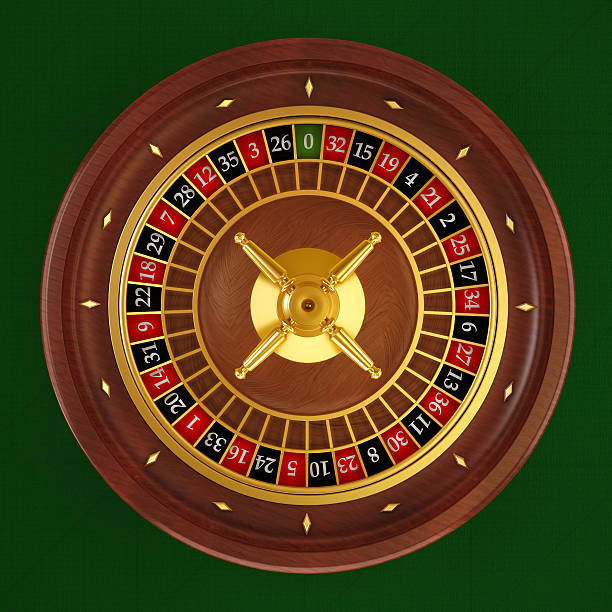
Finding the Best Online Casinos

As the landscape of gambling continues to evolve, exploring online casinos has become a popular alternative for many. The rise of digital gaming platforms offers players the convenience of accessing a wide variety of games from the comfort of their homes while ensuring secure payouts and generous bonuses. It’s a new frontier in gambling that captures the same thrill as traditional casinos.

A comprehensive guide to the best online casinos can enhance your gaming experience, allowing you to compare offerings based on bonuses, game variety, and payout rates. Whether you’re a seasoned player or just starting, understanding your options can lead to informed choices that maximize enjoyment while keeping the thrill of gambling alive.

Public