
/** * HTTP API: WP_Http_Curl class * * @package WordPress * @subpackage HTTP * @since 4.4.0 */ /** * Core class used to integrate Curl as an HTTP transport. * * HTTP request method uses Curl extension to retrieve the url. * * Requires the Curl extension to be installed. * * @since 2.7.0 * @deprecated 6.4.0 Use WP_Http * @see WP_Http */ #[AllowDynamicProperties] class WP_Http_Curl { /** * Temporary header storage for during requests. * * @since 3.2.0 * @var string */ private $headers = ''; /** * Temporary body storage for during requests. * * @since 3.6.0 * @var string */ private $body = ''; /** * The maximum amount of data to receive from the remote server. * * @since 3.6.0 * @var int|false */ private $max_body_length = false; /** * The file resource used for streaming to file. * * @since 3.6.0 * @var resource|false */ private $stream_handle = false; /** * The total bytes written in the current request. * * @since 4.1.0 * @var int */ private $bytes_written_total = 0; /** * Send a HTTP request to a URI using cURL extension. * * @since 2.7.0 * * @param string $url The request URL. * @param string|array $args Optional. Override the defaults. * @return array|WP_Error Array containing 'headers', 'body', 'response', 'cookies', 'filename'. A WP_Error instance upon error */ public function request( $url, $args = array() ) { $defaults = array( 'method' => 'GET', 'timeout' => 5, 'redirection' => 5, 'httpversion' => '1.0', 'blocking' => true, 'headers' => array(), 'body' => null, 'cookies' => array(), 'decompress' => false, 'stream' => false, 'filename' => null, ); $parsed_args = wp_parse_args( $args, $defaults ); if ( isset( $parsed_args['headers']['User-Agent'] ) ) { $parsed_args['user-agent'] = $parsed_args['headers']['User-Agent']; unset( $parsed_args['headers']['User-Agent'] ); } elseif ( isset( $parsed_args['headers']['user-agent'] ) ) { $parsed_args['user-agent'] = $parsed_args['headers']['user-agent']; unset( $parsed_args['headers']['user-agent'] ); } // Construct Cookie: header if any cookies are set. WP_Http::buildCookieHeader( $parsed_args ); $handle = curl_init(); // cURL offers really easy proxy support. $proxy = new WP_HTTP_Proxy(); if ( $proxy->is_enabled() && $proxy->send_through_proxy( $url ) ) { curl_setopt( $handle, CURLOPT_PROXYTYPE, CURLPROXY_HTTP ); curl_setopt( $handle, CURLOPT_PROXY, $proxy->host() ); curl_setopt( $handle, CURLOPT_PROXYPORT, $proxy->port() ); if ( $proxy->use_authentication() ) { curl_setopt( $handle, CURLOPT_PROXYAUTH, CURLAUTH_ANY ); curl_setopt( $handle, CURLOPT_PROXYUSERPWD, $proxy->authentication() ); } } $is_local = isset( $parsed_args['local'] ) && $parsed_args['local']; $ssl_verify = isset( $parsed_args['sslverify'] ) && $parsed_args['sslverify']; if ( $is_local ) { /** This filter is documented in wp-includes/class-wp-http-streams.php */ $ssl_verify = apply_filters( 'https_local_ssl_verify', $ssl_verify, $url ); } elseif ( ! $is_local ) { /** This filter is documented in wp-includes/class-wp-http.php */ $ssl_verify = apply_filters( 'https_ssl_verify', $ssl_verify, $url ); } /* * CURLOPT_TIMEOUT and CURLOPT_CONNECTTIMEOUT expect integers. Have to use ceil since. * a value of 0 will allow an unlimited timeout. */ $timeout = (int) ceil( $parsed_args['timeout'] ); curl_setopt( $handle, CURLOPT_CONNECTTIMEOUT, $timeout ); curl_setopt( $handle, CURLOPT_TIMEOUT, $timeout ); curl_setopt( $handle, CURLOPT_URL, $url ); curl_setopt( $handle, CURLOPT_RETURNTRANSFER, true ); curl_setopt( $handle, CURLOPT_SSL_VERIFYHOST, ( true === $ssl_verify ) ? 2 : false ); curl_setopt( $handle, CURLOPT_SSL_VERIFYPEER, $ssl_verify ); if ( $ssl_verify ) { curl_setopt( $handle, CURLOPT_CAINFO, $parsed_args['sslcertificates'] ); } curl_setopt( $handle, CURLOPT_USERAGENT, $parsed_args['user-agent'] ); /* * The option doesn't work with safe mode or when open_basedir is set, and there's * a bug #17490 with redirected POST requests, so handle redirections outside Curl. */ curl_setopt( $handle, CURLOPT_FOLLOWLOCATION, false ); curl_setopt( $handle, CURLOPT_PROTOCOLS, CURLPROTO_HTTP | CURLPROTO_HTTPS ); switch ( $parsed_args['method'] ) { case 'HEAD': curl_setopt( $handle, CURLOPT_NOBODY, true ); break; case 'POST': curl_setopt( $handle, CURLOPT_POST, true ); curl_setopt( $handle, CURLOPT_POSTFIELDS, $parsed_args['body'] ); break; case 'PUT': curl_setopt( $handle, CURLOPT_CUSTOMREQUEST, 'PUT' ); curl_setopt( $handle, CURLOPT_POSTFIELDS, $parsed_args['body'] ); break; default: curl_setopt( $handle, CURLOPT_CUSTOMREQUEST, $parsed_args['method'] ); if ( ! is_null( $parsed_args['body'] ) ) { curl_setopt( $handle, CURLOPT_POSTFIELDS, $parsed_args['body'] ); } break; } if ( true === $parsed_args['blocking'] ) { curl_setopt( $handle, CURLOPT_HEADERFUNCTION, array( $this, 'stream_headers' ) ); curl_setopt( $handle, CURLOPT_WRITEFUNCTION, array( $this, 'stream_body' ) ); } curl_setopt( $handle, CURLOPT_HEADER, false ); if ( isset( $parsed_args['limit_response_size'] ) ) { $this->max_body_length = (int) $parsed_args['limit_response_size']; } else { $this->max_body_length = false; } // If streaming to a file open a file handle, and setup our curl streaming handler. if ( $parsed_args['stream'] ) { if ( ! WP_DEBUG ) { $this->stream_handle = @fopen( $parsed_args['filename'], 'w+' ); } else { $this->stream_handle = fopen( $parsed_args['filename'], 'w+' ); } if ( ! $this->stream_handle ) { return new WP_Error( 'http_request_failed', sprintf( /* translators: 1: fopen(), 2: File name. */ __( 'Could not open handle for %1$s to %2$s.' ), 'fopen()', $parsed_args['filename'] ) ); } } else { $this->stream_handle = false; } if ( ! empty( $parsed_args['headers'] ) ) { // cURL expects full header strings in each element. $headers = array(); foreach ( $parsed_args['headers'] as $name => $value ) { $headers[] = "{$name}: $value"; } curl_setopt( $handle, CURLOPT_HTTPHEADER, $headers ); } if ( '1.0' === $parsed_args['httpversion'] ) { curl_setopt( $handle, CURLOPT_HTTP_VERSION, CURL_HTTP_VERSION_1_0 ); } else { curl_setopt( $handle, CURLOPT_HTTP_VERSION, CURL_HTTP_VERSION_1_1 ); } /** * Fires before the cURL request is executed. * * Cookies are not currently handled by the HTTP API. This action allows * plugins to handle cookies themselves. * * @since 2.8.0 * * @param resource $handle The cURL handle returned by curl_init() (passed by reference). * @param array $parsed_args The HTTP request arguments. * @param string $url The request URL. */ do_action_ref_array( 'http_api_curl', array( &$handle, $parsed_args, $url ) ); // We don't need to return the body, so don't. Just execute request and return. if ( ! $parsed_args['blocking'] ) { curl_exec( $handle ); $curl_error = curl_error( $handle ); if ( $curl_error ) { if ( PHP_VERSION_ID < 80000 ) { // curl_close() has no effect as of PHP 8.0. curl_close( $handle ); } return new WP_Error( 'http_request_failed', $curl_error ); } if ( in_array( curl_getinfo( $handle, CURLINFO_HTTP_CODE ), array( 301, 302 ), true ) ) { if ( PHP_VERSION_ID < 80000 ) { // curl_close() has no effect as of PHP 8.0. curl_close( $handle ); } return new WP_Error( 'http_request_failed', __( 'Too many redirects.' ) ); } if ( PHP_VERSION_ID < 80000 ) { // curl_close() has no effect as of PHP 8.0. curl_close( $handle ); } return array( 'headers' => array(), 'body' => '', 'response' => array( 'code' => false, 'message' => false, ), 'cookies' => array(), ); } curl_exec( $handle ); $processed_headers = WP_Http::processHeaders( $this->headers, $url ); $body = $this->body; $bytes_written_total = $this->bytes_written_total; $this->headers = ''; $this->body = ''; $this->bytes_written_total = 0; $curl_error = curl_errno( $handle ); // If an error occurred, or, no response. if ( $curl_error || ( 0 === strlen( $body ) && empty( $processed_headers['headers'] ) ) ) { if ( CURLE_WRITE_ERROR /* 23 */ === $curl_error ) { if ( ! $this->max_body_length || $this->max_body_length !== $bytes_written_total ) { if ( $parsed_args['stream'] ) { if ( PHP_VERSION_ID < 80000 ) { // curl_close() has no effect as of PHP 8.0. curl_close( $handle ); } fclose( $this->stream_handle ); return new WP_Error( 'http_request_failed', __( 'Failed to write request to temporary file.' ) ); } else { if ( PHP_VERSION_ID < 80000 ) { // curl_close() has no effect as of PHP 8.0. curl_close( $handle ); } return new WP_Error( 'http_request_failed', curl_error( $handle ) ); } } } else { $curl_error = curl_error( $handle ); if ( $curl_error ) { if ( PHP_VERSION_ID < 80000 ) { // curl_close() has no effect as of PHP 8.0. curl_close( $handle ); } return new WP_Error( 'http_request_failed', $curl_error ); } } if ( in_array( curl_getinfo( $handle, CURLINFO_HTTP_CODE ), array( 301, 302 ), true ) ) { if ( PHP_VERSION_ID < 80000 ) { // curl_close() has no effect as of PHP 8.0. curl_close( $handle ); } return new WP_Error( 'http_request_failed', __( 'Too many redirects.' ) ); } } if ( PHP_VERSION_ID < 80000 ) { // curl_close() has no effect as of PHP 8.0. curl_close( $handle ); } if ( $parsed_args['stream'] ) { fclose( $this->stream_handle ); } $response = array( 'headers' => $processed_headers['headers'], 'body' => null, 'response' => $processed_headers['response'], 'cookies' => $processed_headers['cookies'], 'filename' => $parsed_args['filename'], ); // Handle redirects. $redirect_response = WP_Http::handle_redirects( $url, $parsed_args, $response ); if ( false !== $redirect_response ) { return $redirect_response; } if ( true === $parsed_args['decompress'] && true === WP_Http_Encoding::should_decode( $processed_headers['headers'] ) ) { $body = WP_Http_Encoding::decompress( $body ); } $response['body'] = $body; return $response; } /** * Grabs the headers of the cURL request. * * Each header is sent individually to this callback, and is appended to the `$header` property * for temporary storage. * * @since 3.2.0 * * @param resource $handle cURL handle. * @param string $headers cURL request headers. * @return int Length of the request headers. */ private function stream_headers( $handle, $headers ) { $this->headers .= $headers; return strlen( $headers ); } /** * Grabs the body of the cURL request. * * The contents of the document are passed in chunks, and are appended to the `$body` * property for temporary storage. Returning a length shorter than the length of * `$data` passed in will cause cURL to abort the request with `CURLE_WRITE_ERROR`. * * @since 3.6.0 * * @param resource $handle cURL handle. * @param string $data cURL request body. * @return int Total bytes of data written. */ private function stream_body( $handle, $data ) { $data_length = strlen( $data ); if ( $this->max_body_length && ( $this->bytes_written_total + $data_length ) > $this->max_body_length ) { $data_length = ( $this->max_body_length - $this->bytes_written_total ); $data = substr( $data, 0, $data_length ); } if ( $this->stream_handle ) { $bytes_written = fwrite( $this->stream_handle, $data ); } else { $this->body .= $data; $bytes_written = $data_length; } $this->bytes_written_total += $bytes_written; // Upon event of this function returning less than strlen( $data ) curl will error with CURLE_WRITE_ERROR. return $bytes_written; } /** * Determines whether this class can be used for retrieving a URL. * * @since 2.7.0 * * @param array $args Optional. Array of request arguments. Default empty array. * @return bool False means this class can not be used, true means it can. */ public static function test( $args = array() ) { if ( ! function_exists( 'curl_init' ) || ! function_exists( 'curl_exec' ) ) { return false; } $is_ssl = isset( $args['ssl'] ) && $args['ssl']; if ( $is_ssl ) { $curl_version = curl_version(); // Check whether this cURL version support SSL requests. if ( ! ( CURL_VERSION_SSL & $curl_version['features'] ) ) { return false; } } /** * Filters whether cURL can be used as a transport for retrieving a URL. * * @since 2.7.0 * * @param bool $use_class Whether the class can be used. Default true. * @param array $args An array of request arguments. */ return apply_filters( 'use_curl_transport', true, $args ); } } Erleben Sie den riesigen Bass Splash in unseren Casinos in Deutschland – Shweta Poddar Weddings Photography

Wenn Sie auf der Suche nach einem unvergleichlichen Spielerlebnis sind, müssen Sie wissen, dass das riesige Bass Splash in unseren Casinos in Deutschland ein echter Hingucker ist. Viele Spieler werden von dem attraktiven Design und den spannenden Funktionen des riesigen Bass Splash angezogen, aber ist es wirklich sicher, um mit dem riesigen Bass Splash umzugehen? In diesem Artikel möchten wir Ihnen hinter das Geheimnis des riesigen Bass Splash in unseren Casinos in Deutschland blicken und Ihnen einige wichtige Tipps und Tricks geben, um Ihren Einsatz optimal zu gestalten.

Das Geheimnis hinter dem riesigen Bass Splash in unseren Casinos in Deutschland

Das riesige Bass Splash ist ein beliebtes Online-Spiel, das von vielen Spielern in Deutschland gespielt wird. Das Spiel bietet eine einzigartige Kombination aus Unterhaltung und Spannung, die viele Spieler anzieht. Doch was macht das riesige Bass Splash so faszinierend?
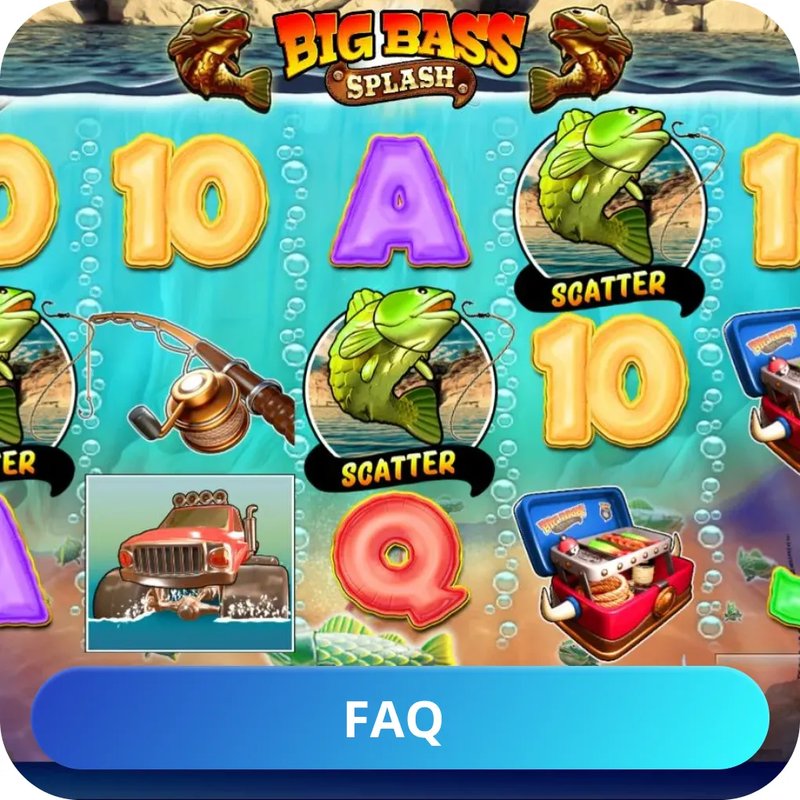
Erleben Sie den riesigen Bass Splash in unseren Casinos in Deutschland, big bass splash kostenlos

Funktion Beschreibung
Unterhaltsames Design Eine einzigartige Grafik und ein faszinierendes Sounddesign machen das Spiel zu einem unvergleichlichen Spielerlebnis.
Spannende Spielmechanik Die Spielmechanik des riesigen Bass Splash ist komplex und bietet viele Möglichkeiten, um Ihre Chancen zu verbessern.
Hohe Gewinnchancen Das riesige Bass Splash bietet hohe Gewinnchancen, die viele Spieler anziehen.

Worauf Sie bei einem riesigen Bass Splash achten sollten

Bevor Sie mit dem riesigen Bass Splash beginnen, sollten Sie einige wichtige Dinge beachten. Hier sind einige Tipps und Tricks, die Ihnen helfen, Ihre Chancen zu verbessern:

Stellen Sie sicher, dass Sie die Regeln des Spiels kennen, bevor Sie beginnen. Setzen Sie einen realistischen Einsatz, um Ihre Verluste zu begrenzen. * Verwenden Sie eine Strategie, um Ihre Chancen zu verbessern.

Das Risiko von Verlusten bei dem riesigen Bass Splash

Das riesige Bass Splash kann auch zu Verlusten führen, wenn Sie nicht vorsichtig sind. Hier sind einige wichtige Dinge, die Sie beachten sollten:

Kosten Beschreibung
Geldverlust Das riesige Bass Splash kann zu Geldverlusten führen, wenn Sie nicht vorsichtig sind.
Zeitaufwand Das Spiel kann auch viel Zeit in Anspruch nehmen, wenn Sie es nicht richtig spielen.

Wie Sie sicher mit dem riesigen Bass Splash umgehen

Um sicher mit dem riesigen Bass Splash umzugehen, sollten Sie einige wichtige Dinge beachten. Hier sind einige Tipps und Tricks, die Ihnen helfen, Ihre Chancen zu verbessern:

Wählen Sie ein sicheres Casino, um Ihre Verluste zu begrenzen. Setzen Sie einen realistischen Einsatz, um Ihre Verluste zu begrenzen. * Verwenden Sie eine Strategie, um Ihre Chancen zu verbessern.

Achtung: Das riesige Bass Splash ist ein komplexes Thema und sollte mit Vorsicht behandelt werden.

Um sicher mit dem riesigen Bass Splash umzugehen, sollten Sie sich an die Regeln halten und vorsichtig sein. Für weitere Informationen über das riesige Bass Splash können Sie sich an bigbass-splash.de wenden.

Big Bass Splash

Leave a Comment

Your email address will not be published. Required fields are marked *