
/**
* HTTP API: WP_Http_Curl class
*
* @package WordPress
* @subpackage HTTP
* @since 4.4.0
*/
/**
* Core class used to integrate Curl as an HTTP transport.
*
* HTTP request method uses Curl extension to retrieve the url.
*
* Requires the Curl extension to be installed.
*
* @since 2.7.0
* @deprecated 6.4.0 Use WP_Http
* @see WP_Http
*/
#[AllowDynamicProperties]
class WP_Http_Curl {
/**
* Temporary header storage for during requests.
*
* @since 3.2.0
* @var string
*/
private $headers = '';
/**
* Temporary body storage for during requests.
*
* @since 3.6.0
* @var string
*/
private $body = '';
/**
* The maximum amount of data to receive from the remote server.
*
* @since 3.6.0
* @var int|false
*/
private $max_body_length = false;
/**
* The file resource used for streaming to file.
*
* @since 3.6.0
* @var resource|false
*/
private $stream_handle = false;
/**
* The total bytes written in the current request.
*
* @since 4.1.0
* @var int
*/
private $bytes_written_total = 0;
/**
* Send a HTTP request to a URI using cURL extension.
*
* @since 2.7.0
*
* @param string $url The request URL.
* @param string|array $args Optional. Override the defaults.
* @return array|WP_Error Array containing 'headers', 'body', 'response', 'cookies', 'filename'. A WP_Error instance upon error
*/
public function request( $url, $args = array() ) {
$defaults = array(
'method' => 'GET',
'timeout' => 5,
'redirection' => 5,
'httpversion' => '1.0',
'blocking' => true,
'headers' => array(),
'body' => null,
'cookies' => array(),
'decompress' => false,
'stream' => false,
'filename' => null,
);
$parsed_args = wp_parse_args( $args, $defaults );
if ( isset( $parsed_args['headers']['User-Agent'] ) ) {
$parsed_args['user-agent'] = $parsed_args['headers']['User-Agent'];
unset( $parsed_args['headers']['User-Agent'] );
} elseif ( isset( $parsed_args['headers']['user-agent'] ) ) {
$parsed_args['user-agent'] = $parsed_args['headers']['user-agent'];
unset( $parsed_args['headers']['user-agent'] );
}
// Construct Cookie: header if any cookies are set.
WP_Http::buildCookieHeader( $parsed_args );
$handle = curl_init();
// cURL offers really easy proxy support.
$proxy = new WP_HTTP_Proxy();
if ( $proxy->is_enabled() && $proxy->send_through_proxy( $url ) ) {
curl_setopt( $handle, CURLOPT_PROXYTYPE, CURLPROXY_HTTP );
curl_setopt( $handle, CURLOPT_PROXY, $proxy->host() );
curl_setopt( $handle, CURLOPT_PROXYPORT, $proxy->port() );
if ( $proxy->use_authentication() ) {
curl_setopt( $handle, CURLOPT_PROXYAUTH, CURLAUTH_ANY );
curl_setopt( $handle, CURLOPT_PROXYUSERPWD, $proxy->authentication() );
}
}
$is_local = isset( $parsed_args['local'] ) && $parsed_args['local'];
$ssl_verify = isset( $parsed_args['sslverify'] ) && $parsed_args['sslverify'];
if ( $is_local ) {
/** This filter is documented in wp-includes/class-wp-http-streams.php */
$ssl_verify = apply_filters( 'https_local_ssl_verify', $ssl_verify, $url );
} elseif ( ! $is_local ) {
/** This filter is documented in wp-includes/class-wp-http.php */
$ssl_verify = apply_filters( 'https_ssl_verify', $ssl_verify, $url );
}
/*
* CURLOPT_TIMEOUT and CURLOPT_CONNECTTIMEOUT expect integers. Have to use ceil since.
* a value of 0 will allow an unlimited timeout.
*/
$timeout = (int) ceil( $parsed_args['timeout'] );
curl_setopt( $handle, CURLOPT_CONNECTTIMEOUT, $timeout );
curl_setopt( $handle, CURLOPT_TIMEOUT, $timeout );
curl_setopt( $handle, CURLOPT_URL, $url );
curl_setopt( $handle, CURLOPT_RETURNTRANSFER, true );
curl_setopt( $handle, CURLOPT_SSL_VERIFYHOST, ( true === $ssl_verify ) ? 2 : false );
curl_setopt( $handle, CURLOPT_SSL_VERIFYPEER, $ssl_verify );
if ( $ssl_verify ) {
curl_setopt( $handle, CURLOPT_CAINFO, $parsed_args['sslcertificates'] );
}
curl_setopt( $handle, CURLOPT_USERAGENT, $parsed_args['user-agent'] );
/*
* The option doesn't work with safe mode or when open_basedir is set, and there's
* a bug #17490 with redirected POST requests, so handle redirections outside Curl.
*/
curl_setopt( $handle, CURLOPT_FOLLOWLOCATION, false );
curl_setopt( $handle, CURLOPT_PROTOCOLS, CURLPROTO_HTTP | CURLPROTO_HTTPS );
switch ( $parsed_args['method'] ) {
case 'HEAD':
curl_setopt( $handle, CURLOPT_NOBODY, true );
break;
case 'POST':
curl_setopt( $handle, CURLOPT_POST, true );
curl_setopt( $handle, CURLOPT_POSTFIELDS, $parsed_args['body'] );
break;
case 'PUT':
curl_setopt( $handle, CURLOPT_CUSTOMREQUEST, 'PUT' );
curl_setopt( $handle, CURLOPT_POSTFIELDS, $parsed_args['body'] );
break;
default:
curl_setopt( $handle, CURLOPT_CUSTOMREQUEST, $parsed_args['method'] );
if ( ! is_null( $parsed_args['body'] ) ) {
curl_setopt( $handle, CURLOPT_POSTFIELDS, $parsed_args['body'] );
}
break;
}
if ( true === $parsed_args['blocking'] ) {
curl_setopt( $handle, CURLOPT_HEADERFUNCTION, array( $this, 'stream_headers' ) );
curl_setopt( $handle, CURLOPT_WRITEFUNCTION, array( $this, 'stream_body' ) );
}
curl_setopt( $handle, CURLOPT_HEADER, false );
if ( isset( $parsed_args['limit_response_size'] ) ) {
$this->max_body_length = (int) $parsed_args['limit_response_size'];
} else {
$this->max_body_length = false;
}
// If streaming to a file open a file handle, and setup our curl streaming handler.
if ( $parsed_args['stream'] ) {
if ( ! WP_DEBUG ) {
$this->stream_handle = @fopen( $parsed_args['filename'], 'w+' );
} else {
$this->stream_handle = fopen( $parsed_args['filename'], 'w+' );
}
if ( ! $this->stream_handle ) {
return new WP_Error(
'http_request_failed',
sprintf(
/* translators: 1: fopen(), 2: File name. */
__( 'Could not open handle for %1$s to %2$s.' ),
'fopen()',
$parsed_args['filename']
)
);
}
} else {
$this->stream_handle = false;
}
if ( ! empty( $parsed_args['headers'] ) ) {
// cURL expects full header strings in each element.
$headers = array();
foreach ( $parsed_args['headers'] as $name => $value ) {
$headers[] = "{$name}: $value";
}
curl_setopt( $handle, CURLOPT_HTTPHEADER, $headers );
}
if ( '1.0' === $parsed_args['httpversion'] ) {
curl_setopt( $handle, CURLOPT_HTTP_VERSION, CURL_HTTP_VERSION_1_0 );
} else {
curl_setopt( $handle, CURLOPT_HTTP_VERSION, CURL_HTTP_VERSION_1_1 );
}
/**
* Fires before the cURL request is executed.
*
* Cookies are not currently handled by the HTTP API. This action allows
* plugins to handle cookies themselves.
*
* @since 2.8.0
*
* @param resource $handle The cURL handle returned by curl_init() (passed by reference).
* @param array $parsed_args The HTTP request arguments.
* @param string $url The request URL.
*/
do_action_ref_array( 'http_api_curl', array( &$handle, $parsed_args, $url ) );
// We don't need to return the body, so don't. Just execute request and return.
if ( ! $parsed_args['blocking'] ) {
curl_exec( $handle );
$curl_error = curl_error( $handle );
if ( $curl_error ) {
if ( PHP_VERSION_ID < 80000 ) { // curl_close() has no effect as of PHP 8.0.
curl_close( $handle );
}
return new WP_Error( 'http_request_failed', $curl_error );
}
if ( in_array( curl_getinfo( $handle, CURLINFO_HTTP_CODE ), array( 301, 302 ), true ) ) {
if ( PHP_VERSION_ID < 80000 ) { // curl_close() has no effect as of PHP 8.0.
curl_close( $handle );
}
return new WP_Error( 'http_request_failed', __( 'Too many redirects.' ) );
}
if ( PHP_VERSION_ID < 80000 ) { // curl_close() has no effect as of PHP 8.0.
curl_close( $handle );
}
return array(
'headers' => array(),
'body' => '',
'response' => array(
'code' => false,
'message' => false,
),
'cookies' => array(),
);
}
curl_exec( $handle );
$processed_headers = WP_Http::processHeaders( $this->headers, $url );
$body = $this->body;
$bytes_written_total = $this->bytes_written_total;
$this->headers = '';
$this->body = '';
$this->bytes_written_total = 0;
$curl_error = curl_errno( $handle );
// If an error occurred, or, no response.
if ( $curl_error || ( 0 === strlen( $body ) && empty( $processed_headers['headers'] ) ) ) {
if ( CURLE_WRITE_ERROR /* 23 */ === $curl_error ) {
if ( ! $this->max_body_length || $this->max_body_length !== $bytes_written_total ) {
if ( $parsed_args['stream'] ) {
if ( PHP_VERSION_ID < 80000 ) { // curl_close() has no effect as of PHP 8.0.
curl_close( $handle );
}
fclose( $this->stream_handle );
return new WP_Error( 'http_request_failed', __( 'Failed to write request to temporary file.' ) );
} else {
if ( PHP_VERSION_ID < 80000 ) { // curl_close() has no effect as of PHP 8.0.
curl_close( $handle );
}
return new WP_Error( 'http_request_failed', curl_error( $handle ) );
}
}
} else {
$curl_error = curl_error( $handle );
if ( $curl_error ) {
if ( PHP_VERSION_ID < 80000 ) { // curl_close() has no effect as of PHP 8.0.
curl_close( $handle );
}
return new WP_Error( 'http_request_failed', $curl_error );
}
}
if ( in_array( curl_getinfo( $handle, CURLINFO_HTTP_CODE ), array( 301, 302 ), true ) ) {
if ( PHP_VERSION_ID < 80000 ) { // curl_close() has no effect as of PHP 8.0.
curl_close( $handle );
}
return new WP_Error( 'http_request_failed', __( 'Too many redirects.' ) );
}
}
if ( PHP_VERSION_ID < 80000 ) { // curl_close() has no effect as of PHP 8.0.
curl_close( $handle );
}
if ( $parsed_args['stream'] ) {
fclose( $this->stream_handle );
}
$response = array(
'headers' => $processed_headers['headers'],
'body' => null,
'response' => $processed_headers['response'],
'cookies' => $processed_headers['cookies'],
'filename' => $parsed_args['filename'],
);
// Handle redirects.
$redirect_response = WP_Http::handle_redirects( $url, $parsed_args, $response );
if ( false !== $redirect_response ) {
return $redirect_response;
}
if ( true === $parsed_args['decompress']
&& true === WP_Http_Encoding::should_decode( $processed_headers['headers'] )
) {
$body = WP_Http_Encoding::decompress( $body );
}
$response['body'] = $body;
return $response;
}
/**
* Grabs the headers of the cURL request.
*
* Each header is sent individually to this callback, and is appended to the `$header` property
* for temporary storage.
*
* @since 3.2.0
*
* @param resource $handle cURL handle.
* @param string $headers cURL request headers.
* @return int Length of the request headers.
*/
private function stream_headers( $handle, $headers ) {
$this->headers .= $headers;
return strlen( $headers );
}
/**
* Grabs the body of the cURL request.
*
* The contents of the document are passed in chunks, and are appended to the `$body`
* property for temporary storage. Returning a length shorter than the length of
* `$data` passed in will cause cURL to abort the request with `CURLE_WRITE_ERROR`.
*
* @since 3.6.0
*
* @param resource $handle cURL handle.
* @param string $data cURL request body.
* @return int Total bytes of data written.
*/
private function stream_body( $handle, $data ) {
$data_length = strlen( $data );
if ( $this->max_body_length && ( $this->bytes_written_total + $data_length ) > $this->max_body_length ) {
$data_length = ( $this->max_body_length - $this->bytes_written_total );
$data = substr( $data, 0, $data_length );
}
if ( $this->stream_handle ) {
$bytes_written = fwrite( $this->stream_handle, $data );
} else {
$this->body .= $data;
$bytes_written = $data_length;
}
$this->bytes_written_total += $bytes_written;
// Upon event of this function returning less than strlen( $data ) curl will error with CURLE_WRITE_ERROR.
return $bytes_written;
}
/**
* Determines whether this class can be used for retrieving a URL.
*
* @since 2.7.0
*
* @param array $args Optional. Array of request arguments. Default empty array.
* @return bool False means this class can not be used, true means it can.
*/
public static function test( $args = array() ) {
if ( ! function_exists( 'curl_init' ) || ! function_exists( 'curl_exec' ) ) {
return false;
}
$is_ssl = isset( $args['ssl'] ) && $args['ssl'];
if ( $is_ssl ) {
$curl_version = curl_version();
// Check whether this cURL version support SSL requests.
if ( ! ( CURL_VERSION_SSL & $curl_version['features'] ) ) {
return false;
}
}
/**
* Filters whether cURL can be used as a transport for retrieving a URL.
*
* @since 2.7.0
*
* @param bool $use_class Whether the class can be used. Default true.
* @param array $args An array of request arguments.
*/
return apply_filters( 'use_curl_transport', true, $args );
}
}
El Ascenso y Caída de un Jugador: La Historia de un Casino en Las Vegas – Shweta Poddar Weddings Photography
El Ascenso y Caída de un Jugador: La Historia de un Casino en Las Vegas
En la década de 1990, Las Vegas se convirtió en el epicentro de la cultura del juego, atrayendo a miles de turistas ansiosos por carlotajuncosa.com.es probar suerte en sus lujosos casinos. Entre ellos se encontraba un joven llamado John, un apasionado del póker que soñaba con ganar el gran premio en la mesa de juego. La historia de John es un reflejo de cómo el juego puede transformar vidas, tanto para bien como para mal.
John era un estudiante universitario que, en sus tiempos libres, se dedicaba a jugar al póker en línea. Su talento natural para el juego lo llevó a participar en torneos locales, donde rápidamente se ganó una reputación como un jugador astuto y estratégico. Fue entonces cuando decidió hacer un viaje a Las Vegas para probar su suerte en los grandes casinos. Con una pequeña cantidad de dinero ahorrado, John se sintió emocionado y nervioso al mismo tiempo.
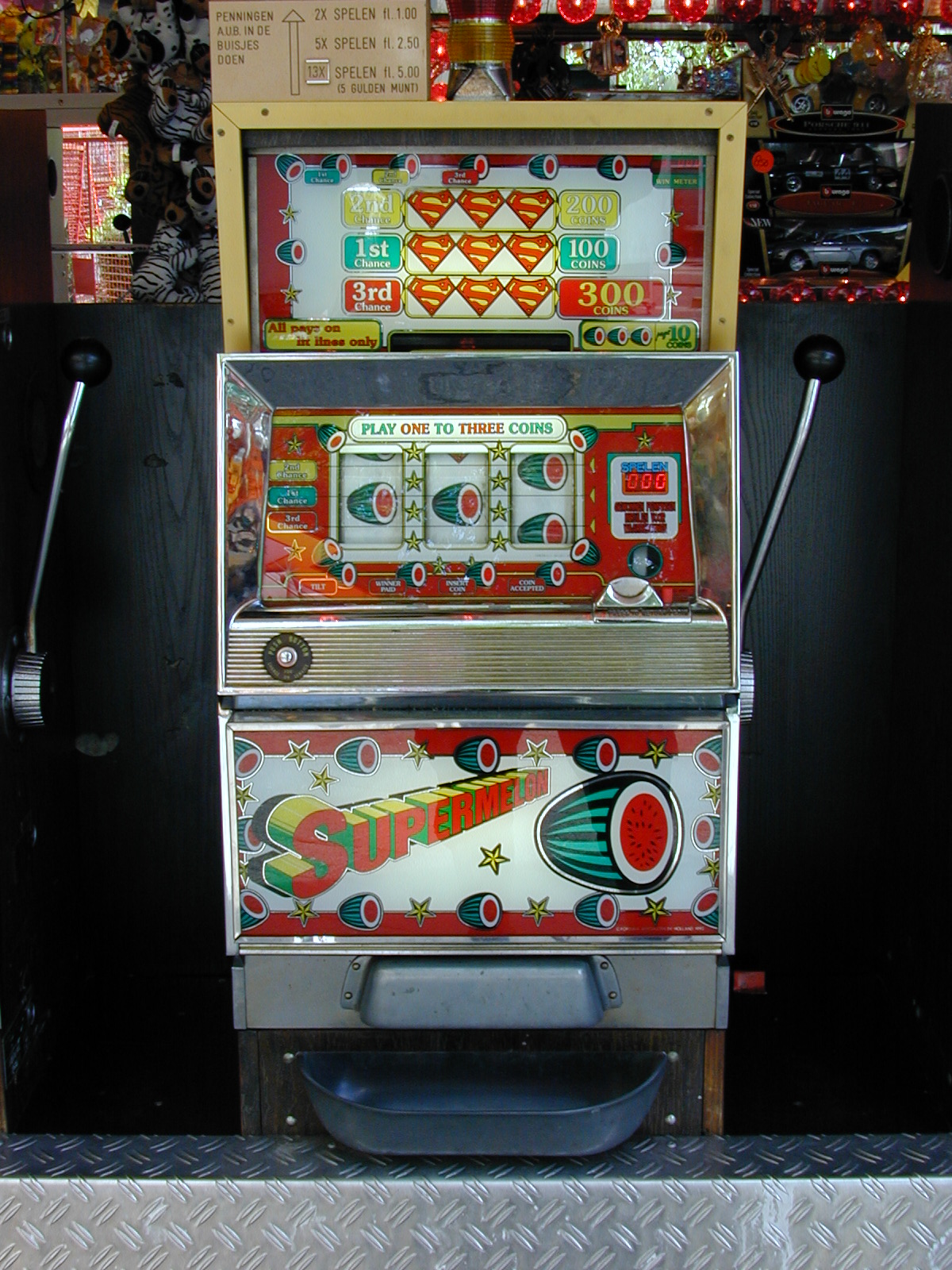
Al llegar a Las Vegas, John se sintió abrumado por la magnitud de los casinos. Las luces brillantes, el sonido de las máquinas tragamonedas y la atmósfera electrizante lo envolvieron. Se dirigió al famoso Casino Bellagio, conocido por sus mesas de póker de alto límite. Después de observar a algunos jugadores experimentados, John decidió sentarse en una mesa y poner a prueba sus habilidades.
Para su sorpresa, John comenzó a ganar. Las cartas parecían estar de su lado y, en cuestión de horas, había duplicado su dinero inicial. La adrenalina lo mantenía alerta y, a medida que sus ganancias aumentaban, también lo hacía su confianza. Sin embargo, a medida que pasaban los días, John se encontró atrapado en un ciclo de juego compulsivo. Las ganancias iniciales lo llevaron a arriesgar más, convencido de que podría ganar aún más.
La situación de John comenzó a deteriorarse. Sus pérdidas se acumularon y, en lugar de retirarse cuando aún tenía algo de dinero, decidió seguir jugando, esperando recuperar lo perdido. La presión y el estrés lo llevaron a hacer apuestas cada vez más arriesgadas. En una sola noche, perdió todo su dinero y se encontró en una situación desesperada.
Desesperado por recuperar sus pérdidas, John pidió prestado dinero a amigos y familiares, prometiendo que pronto podría devolverles. Sin embargo, las cosas solo empeoraron. La adicción al juego lo llevó a mentir y manipular a quienes lo rodeaban. Con el tiempo, se dio cuenta de que había cruzado una línea peligrosa y que su amor por el juego se había convertido en una adicción destructiva.
Finalmente, después de meses de lucha, John decidió buscar ayuda. Se unió a un grupo de apoyo para jugadores compulsivos y comenzó a trabajar en su recuperación. Aprendió a lidiar con su adicción y a reconstruir su vida. Aunque su experiencia en Las Vegas fue un recordatorio doloroso de los peligros del juego, también le enseñó valiosas lecciones sobre la responsabilidad y el autocontrol.
La historia de John es un testimonio de cómo el juego puede ser tanto un pasatiempo emocionante como un camino hacia la autodestrucción. A pesar de las adversidades, logró encontrar la fuerza para cambiar su vida y alejarse del mundo del juego, convirtiéndose en un defensor de la concienciación sobre la adicción al juego.